
How to Choose the Right Stainless Capillary Tube?

Time:2026-11-25 Author:Isabella
0%

Choosing the right Stainless Capillary Tube can seem like a simple size decision, yet small errors in bore, wall thickness, or alloy may affect flow, strength, and service life. The best selection begins with operating conditions, not a catalog label. Define the fluid, pressure, temperature, required flow rate, and whether the tube will be bent or joined. Then confirm outside diameter, inside diameter, wall tolerance, finish, and grade against equipment drawings and application requirements. For corrosive or high-purity service, verify chemical compatibility and cleanliness needs with qualified technical guidance. Do not assume stainless steel grades are interchangeable. Details matter.

A suitable tube should also be practical to source, inspect, and install. Ask suppliers for current dimensional specifications, material documentation, and information about available tolerances. Compare those details with your design rather than relying on a general product description. If the application is demanding, discuss the operating limits with the manufacturer and consider evaluating a sample. It can reveal handling or fit issues that a specification sheet may not show. This step takes time, but replacing an unsuitable tube can take longer. There is rarely one universally best choice. A narrow bore may support precise delivery, while a different size may better suit flow or cleaning needs. Recheck assumptions before ordering, especially when the service conditions are not fully known. A careful choice balances measurable requirements with the realities of installation and maintenance.
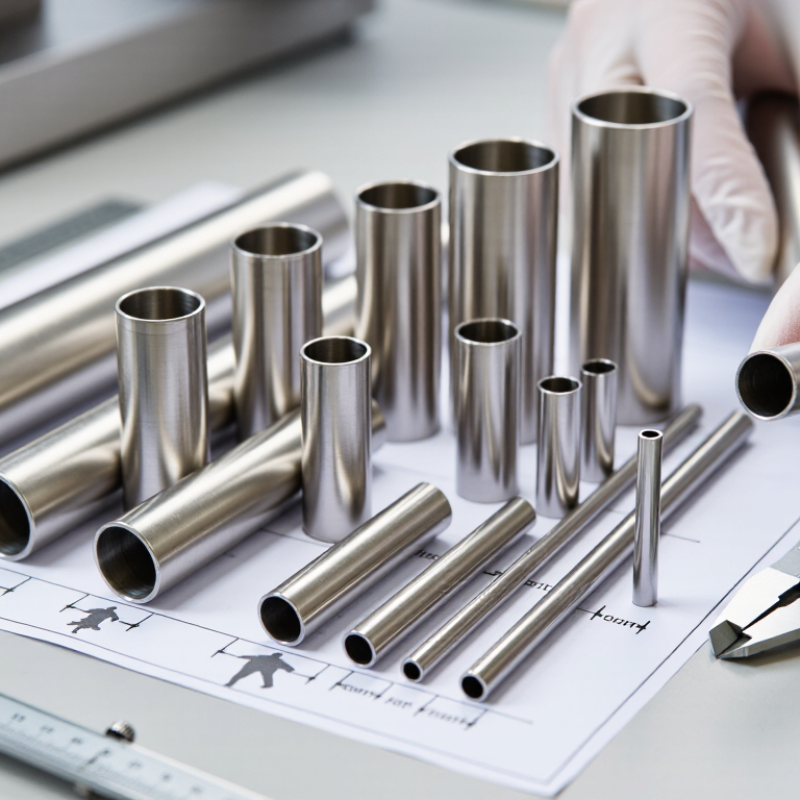
How to Choose the Right Stainless Capillary Tube?

Define the Tube’s Purpose and Operating Conditions

How to Choose the Right Stainless Capillary Tube?

Define the Tube’s Purpose and Operating Conditions

Start with the job the tube must do. Will it carry a liquid sample, transmit pressure, or serve as a sensing line? The answer affects its inner diameter, wall thickness, and required cleanliness. A tube carrying a viscous fluid may need a wider bore than one used for a small gas sample. Small details matter.

List the actual operating conditions, not just ideal ones. Record the minimum and maximum temperatures, working pressure, fluid composition, and exposure to moisture or cleaning agents. Stainless steel grades differ in corrosion resistance, so check compatibility against the real fluid and environment. A generic label such as “corrosive service” is not enough. Name the chemicals and note their concentrations, if known.

Installation matters, too. Measure the available route and consider bends, vibration, and connection type. A tight bend can restrict flow or distort a thin-walled tube. Measure twice. Pressure capability depends on dimensions, material condition, temperature, and applicable design criteria; confirm it with reliable specifications or a qualified engineer. I have seen a tube meet the paper requirements yet prove awkward to route on the equipment. That gap deserves attention before ordering. When conditions are uncertain, document the assumptions and test a representative setup.

Choose a Stainless Steel Grade for Corrosion and Temperature

Choosing a stainless capillary tube starts with the fluid, temperature, and environment it will actually face. Grade 304 suits many mild indoor applications, such as clean water or dry air. For salt spray, chloride-bearing fluids, or coastal equipment, grade 316 is often a stronger candidate because molybdenum improves resistance to pitting. It is not immune to corrosion. Concentration, temperature, and stagnant pockets can still cause damage.

Temperature needs more than a quick glance at the maximum operating value. Repeated heating and cooling can stress a thin tube, while high temperatures may affect strength and oxidation resistance. Grades such as 321 are designed for certain elevated-temperature service, but the right choice depends on the temperature range and exposure time. Check the supplier’s material data and relevant corrosion guidance. Small details matter.

Also consider fabrication. Tight bends, welded joints, and a very small internal diameter can change how a tube performs in service. A grade that resists the fluid in a test may behave differently after forming or welding. I would verify the full operating conditions before specifying material; that step is easy to skip when a familiar grade seems adequate. It is worth checking twice.

How to Choose the Right Stainless Capillary Tube?

Compare the specified alloying-element ranges when considering corrosion and temperature requirements.

Bars show the midpoint of typical ASTM A240 composition ranges, in weight percent—not corrosion or temperature ratings. Molybdenum can improve resistance to chloride pitting, while higher chromium and nickel are common in grades used for high-temperature oxidation resistance. Grade 321 is titanium-stabilized. Actual suitability depends on the environment, temperature, pressure, product specification, and applicable design code.

Set the Diameter and Wall Thickness for Flow and Pressure

For a stainless capillary tube, specify the inside diameter and wall thickness—not just the outside diameter. The inside diameter sets the space available for fluid, while small changes can noticeably affect flow in a narrow tube. For laminar flow, resistance is especially sensitive to bore size. A slightly smaller bore may reduce flow more than expected.

Start with the required flow rate, fluid viscosity, tube length, and available pressure. Then compare candidate inside diameters using a flow calculation or test. Check the result at the actual operating temperature; viscosity can change with heat. Keep the measurement method in mind, too. A stated diameter tolerance may matter when the bore is tiny. This detail is easy to overlook.

Wall thickness affects both the inside diameter and pressure capacity. A thicker wall generally provides more strength, but it also reduces the bore when the outside diameter stays fixed. Pressure ratings depend on material grade, manufacturing condition, temperature, and safety margin, so avoid choosing thickness from a simple rule alone. Confirm the tube specification and have the assembly reviewed for its real service conditions. A prototype flow check can expose a mismatch before production. Not every calculation captures the fittings.

Check Surface Finish, Tolerances, and Manufacturing Quality

Choosing a stainless capillary tube starts with the surface, but a bright finish alone proves little. Look for a consistent appearance under angled light. Scratches, pits, discoloration, or raised burrs can affect cleaning and flow. Small details matter. For critical work, request a specified surface roughness value and confirm how it was measured.

Tolerances should match the drawing and the tube’s job. Check outside diameter, wall thickness, ovality, straightness, and cut-end condition. A micrometer can check diameter, while a suitable bore gauge can reveal internal variation. Not always. Measurement methods and sampling rates matter, so ask how inspection results are recorded. Manufacturing quality also shows in repeatability: does the next production lot meet the same dimensions and finish? Request material identification and inspection records, and check that tube ends are protected from debris during packing. A polished tube may still have an inconsistent bore, and a neat report cannot replace clear acceptance criteria. It is tempting to focus on the lowest price; I would pause if the supplier cannot explain its inspection process in plain terms.

Verify Standards, Testing, and Supplier Documentation

Choosing a stainless capillary tube starts with its service conditions: pressure, temperature, fluid chemistry, and required cleanliness. Match the material grade and manufacturing route to the application, then check the applicable product standard. ASTM A269 covers austenitic stainless tubing for general service; ISO 1127 addresses dimensions and tolerances. These references are not interchangeable. Confirm that the supplier’s stated scope matches your specification, including outside diameter, wall thickness, and tolerance.

Documentation should connect every tube to its production lot. Request a material test certificate with grade, heat number, and chemical composition, then compare those details against the purchase order. Review dimensional inspection results and, where specified, pressure or nondestructive test reports. World Stainless’s Stainless Steel in Figures 2024 reports 58.4 million tonnes of global stainless-steel crude production in 2023. That scale makes traceable records especially useful across complex supply chains. Still, a certificate alone cannot prove that the delivered tube matches the paperwork. Check markings, sample dimensions, and report dates.

Tip: Ask for the inspection plan before ordering. Confirm test methods, acceptance limits, and whether results apply to each lot. Keep one sample and its records together. Small gaps in paperwork are easy to overlook, and they deserve a second look.

FAQS

Which stainless steel grade suits mild indoor conditions?

Grade 304 often works for clean water or dry air indoors. Check the actual fluid and environment.

When might grade 316 be a better choice?

Grade 316 often resists pitting better in chloride-bearing fluids or coastal settings. It is not corrosion-proof; stagnant pockets can still cause damage.

Is the maximum temperature enough to choose a tube grade?

No. Repeated heating and cooling can stress thin tubing, while heat may affect strength and oxidation resistance. Check exposure time, too.

What dimensions should I specify for a capillary tube?

Specify inside diameter and wall thickness, not only outside diameter. Tiny bore changes can noticeably alter flow.

What information helps determine the right inside diameter?

Consider flow rate, fluid viscosity, tube length, and available pressure. Check calculations at operating temperature. A small test can help.

Does a thicker wall always improve performance?

A thicker wall generally adds strength, but may reduce the bore when outside diameter stays fixed. Pressure ratings depend on several conditions, so avoid relying on a simple rule.

What supplier records should I request?

Ask for material certificates, lot details, dimensional checks, and any specified test reports. Compare the paperwork with the purchase order and tube markings.

Can paperwork alone confirm the delivered tube is correct?

No. Check sample dimensions and report dates, and keep a sample with its records. I might still miss a detail, so review it twice.

Conclusion

Choosing the right Stainless Capillary Tube begins with a clear understanding of its purpose and operating conditions, including the fluid it will carry, expected temperatures, and required pressure. These factors help determine a suitable stainless steel grade, since corrosion resistance and temperature performance can vary between materials. Consider the tube’s inner and outer diameters and wall thickness together: dimensions affect flow capacity, fit, and pressure handling, so they should match the needs of the application.

Before selecting a tube, review its surface finish, dimensional tolerances, and manufacturing quality to ensure consistent performance and compatibility with connected components. Also confirm that relevant standards and testing requirements are met, and request documentation that verifies material grade, dimensions, and inspection results. Evaluating these details as a whole can help you choose a reliable tube for its intended use.


Isabella

Isabella

Isabella is a dedicated marketing professional with a sharp focus on driving brand growth and engagement through strategic content creation. With an extensive background in digital marketing, she combines her passion for storytelling with her keen understanding of industry trends to deliver......