
High-Quality Super Austenitic Steels 254SMO • UNS S31254 • 1.4547 Factory, Factories
Product Description
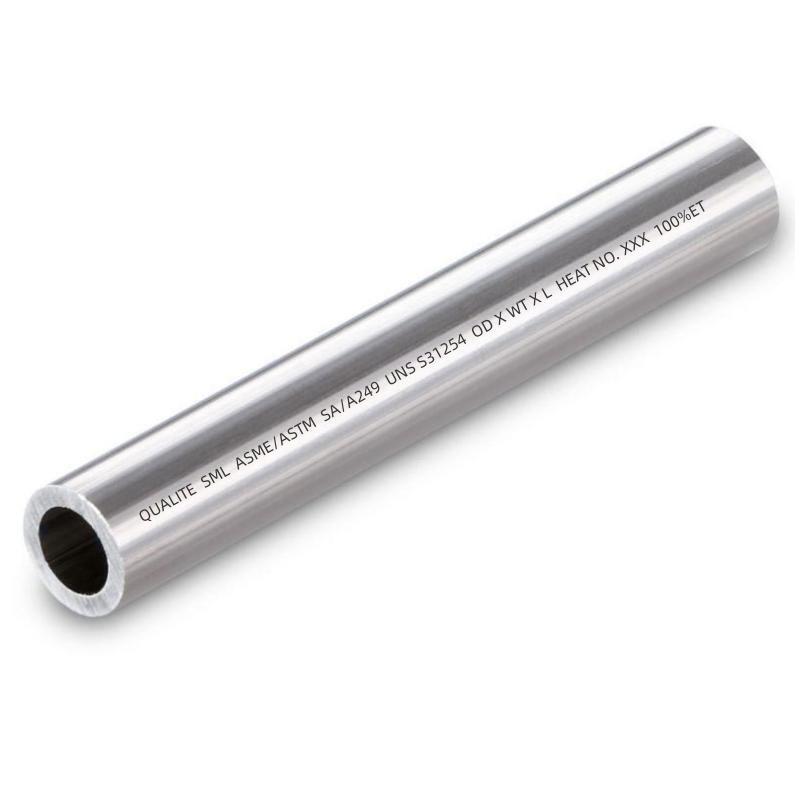
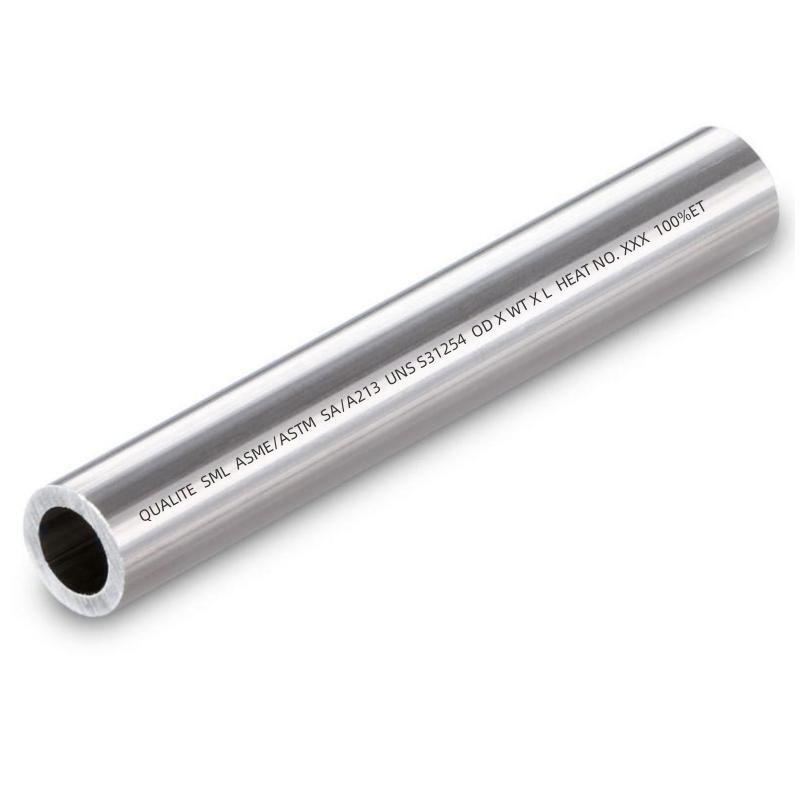
S31254 Stainless Steel Tubes, 1.4547 Stainless Steel Tubes
Chemical Composition (in % by mass)
| Grade | C (Max.) |
Si (Max.) |
Mn (Max.) |
P (Max.) |
S (Max.) |
Cr | Ni | Mo | Cu | N | Others |
|---|---|---|---|---|---|---|---|---|---|---|---|
| S31254 | 0.020 | 0.80 | 1.00 | 0.030 | 0.010 | 19.5 - 20.5 | 17.5 - 18.5 | 6.0 - 6.5 | 0.50 - 1.00 | 0.18 - 0.25 | - |
| 1.4547 | 0.020 | 0.70 | 1.00 | 0.030 | 0.010 | 19.5 - 20.5 | 17.5 - 18.5 | 6.0 - 7.0 | - | 0.18 - 0.25 | - |
Mechanical Property & Heat Treatment
| Grade | Rp 0.2 (MPa) (Min.) |
Rp 1.0 (MPa) (Min.) |
Rm (MPa) (Min. - Max.) |
A (%) (Min.) |
Hardness (HRB) (Max.) |
Heat Treatment |
|---|---|---|---|---|---|---|
| S31254 | 310 | - | 675 | 35 | 100 | Solution Annealed |
| 1.4547 | 300 | 340 | 650 - 850 | 35 | - | Solution Annealed |
Tube Size Commonly Used
| OD (mm) | Thickness (mm) | |||||||||||||
|---|---|---|---|---|---|---|---|---|---|---|---|---|---|---|
| 0.50 | 0.70 | 0.80 | 0.89 | 1.00 | 1.20 | 1.24 | 1.50 | 1.65 | 2.00 | 2.11 | 2.50 | 2.77 | 3.05 | |
| 6.00 | x | x | x | x | x | x | x | x | - | - | - | - | - | - |
| 6.35 | x | x | x | x | x | x | x | x | x | - | - | - | - | - |
| 7.00 | x | x | x | x | x | x | x | x | - | - | - | - | - | - |
| 7.50 | x | x | x | x | x | x | x | x | - | - | - | - | - | - |
| 8.00 | x | x | x | x | x | x | x | x | - | - | - | - | - | - |
| 9.00 | x | x | x | x | x | x | x | x | - | - | - | - | - | - |
| 9.53 | x | x | x | x | x | x | x | x | x | - | - | - | - | - |
| 10.00 | x | x | x | x | x | x | x | x | - | - | - | - | - | - |
| 11.00 | x | x | x | x | x | x | x | x | - | - | - | - | - | - |
| 12.00 | x | x | x | x | x | x | x | x | - | x | - | - | - | - |
| 12.70 | x | x | x | x | x | x | x | x | x | x | x | - | - | - |
| 13.00 | x | x | x | x | x | x | x | x | - | - | - | - | - | - |
| 14.00 | x | x | x | x | x | x | x | x | - | - | - | - | - | - |
| 15.00 | x | x | x | x | x | x | x | x | - | - | - | - | - | - |
| 15.88 | x | x | x | x | x | x | x | x | x | x | x | - | - | - |
| 16.00 | x | x | x | x | x | x | x | x | x | x | - | - | - | - |
| 17.15 | x | x | x | x | x | x | x | x | x | x | x | - | - | - |
| 18.00 | x | x | x | x | x | x | x | x | x | x | - | - | - | - |
| 19.00 | x | x | x | x | x | x | x | x | x | x | - | - | - | - |
| 19.05 | x | x | x | x | x | x | x | x | x | x | x | x | x | - |
| 20.00 | x | x | x | x | x | x | x | x | x | x | x | x | x | - |
| 21.34 | x | x | x | x | x | x | x | x | x | x | x | x | x | - |
| 22.00 | x | x | x | x | x | x | x | x | x | x | x | x | x | - |
| 22.23 | x | x | x | x | x | x | x | x | x | x | x | x | x | - |
| 23.00 | x | x | x | x | x | x | x | x | x | x | x | x | x | - |
| 24.00 | x | x | x | x | x | x | x | x | x | x | x | x | x | - |
| 25.00 | x | x | x | x | x | x | x | x | x | x | x | x | x | x |
| 25.40 | x | x | x | x | x | x | x | x | x | x | x | x | x | x |
| 26.00 | x | x | x | x | x | x | x | x | x | x | x | x | x | x |
| 26.67 | x | x | x | x | x | x | x | x | x | x | x | x | x | x |
| 26.90 | x | x | x | x | x | x | x | x | x | x | x | x | x | x |
| 28.00 | x | x | x | x | x | x | x | x | x | x | x | x | x | x |
| 28.58 | x | x | x | x | x | x | x | x | x | x | x | x | x | x |
| 30.00 | x | x | x | x | x | x | x | x | x | x | x | x | x | x |
| 31.75 | x | x | x | x | x | x | x | x | x | x | x | x | x | x |
| 32.00 | x | x | x | x | x | x | x | x | x | x | x | x | x | x |
| 33.40 | x | x | x | x | x | x | x | x | x | x | x | x | x | x |
| 35.00 | x | x | x | x | x | x | x | x | x | x | x | x | x | x |
| 36.00 | x | x | x | x | x | x | x | x | x | x | x | x | x | x |
| 38.10 | x | x | x | x | x | x | x | x | x | x | x | x | x | x |
| 42.00 | - | - | - | - | x | x | x | x | x | x | x | x | x | x |
| 44.50 | - | - | - | - | - | x | x | x | x | x | x | x | x | x |
| 48.26 | - | - | - | - | - | - | - | x | x | x | x | x | x | x |
| 50.80 | - | - | - | x | x | x | x | x | x | x | x | x | x | x |
Frequently Asked Questions (FAQ)
S31254 (also known as 254 SMO or EN 1.4547) is a high-alloy super austenitic stainless steel designed for use in chloride-bearing environments, offering exceptional resistance to pitting, crevice corrosion, and stress corrosion cracking.
Yes, UNS S31254 is the standard designation under the US ASTM system, while 1.4547 is the European standard (EN) numerical designation for the exact same super austenitic alloy grade.
Due to its high Molybdenum and Chromium content, S31254 is widely utilized in seawater handling, offshore oil & gas production, chemical processing equipment, flue-gas desulfurization (FGD) systems, and pulp bleaching plants.
S31254 contains approximately 6% Molybdenum and added Nitrogen, giving it nearly double the mechanical strength of 316L and vastly superior pitting resistance (PREN ≥ 42), making it ideal for aggressive marine or acidic conditions.
These tubes undergo Solution Annealing at elevated temperatures (typically 1150°C to 1200°C) followed by rapid cooling/quenching to restore optimal corrosion resistance and prevent intermetallic phase precipitation.



