1 / 2
Custom Austenitic Steels 316H • UNS S31609 • 1.4919 Supplier, Product
Product Description
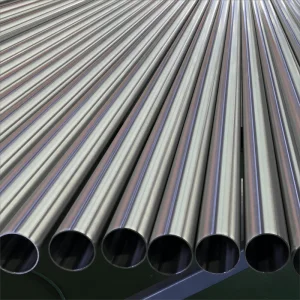
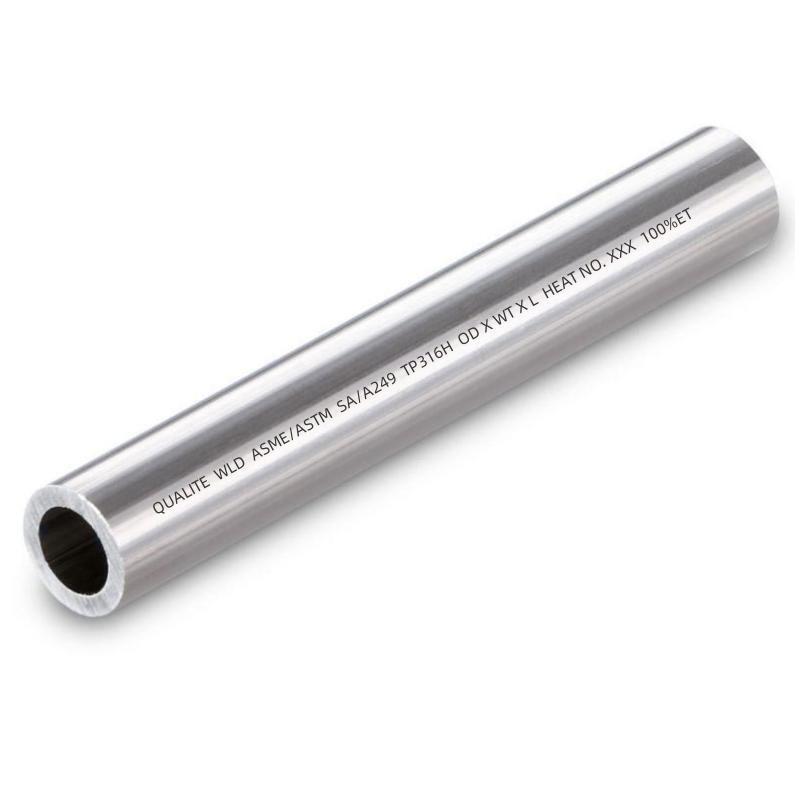
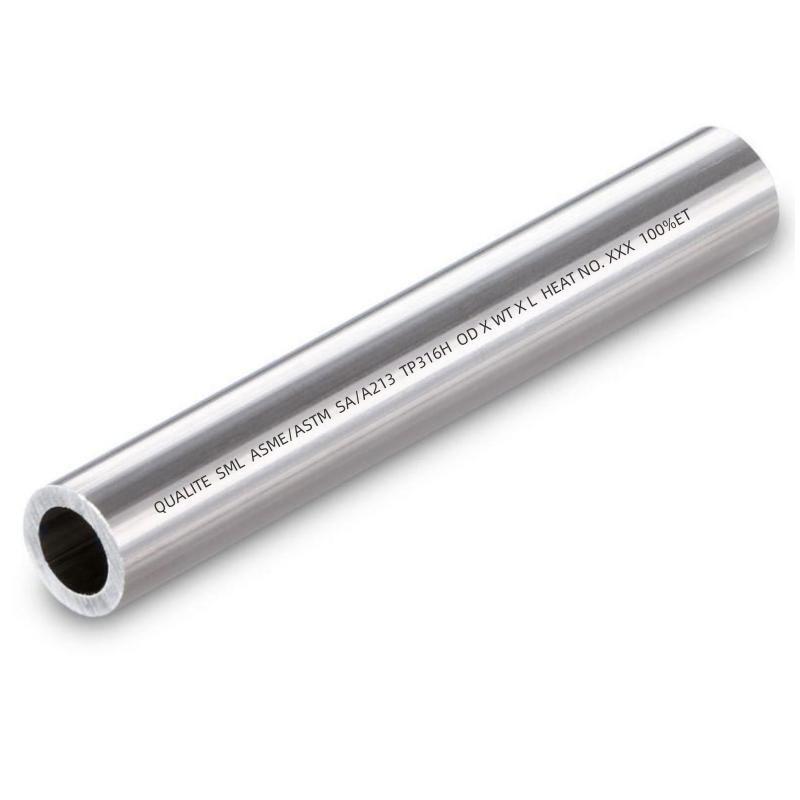
316H Stainless Steel Tubes, 1.4919 Stainless Steel Tubes
Chemical Composition (in % by mass)
| Grade | C | Si | Mn | P | S | Cr | Ni | Mo | Ti | N | Others |
|---|---|---|---|---|---|---|---|---|---|---|---|
| Min. Max. | Max. | Max. | Max. | Max. | |||||||
| 316H | 0.04 - 0.10 | 1.00 | 2.00 | 0.045 | 0.030 | 16.0 - 18.0 | 10.0 - 14.0 | 2.00 - 3.00 | |||
| 1.4919 | 0.04 - 0.08 | 1.00 | 2.00 | 0.035 | 0.015 | 16.5 - 18.5 | 10.0 - 13.0 | 2.00 - 2.50 | 0.10 | B: 0.001 5 to 0.005 0 | |
| 1.4918 | 0.04 - 0.08 | 0.75 | 2.00 | 0.035 | 0.015 | 16.0 - 18.0 | 12.0 - 14.0 | 2.00 - 2.50 | 0.10 | ||
Mechanical Property & Heat Treatment
| Grade | Rp 0.2 Mpa | Rp 1.0 Mpa | Rm Mpa | A (%) | Hardness (HRB) | Heat Treatment |
|---|---|---|---|---|---|---|
| Min. | Min. | Min. - Max. | Min. | Max. | ||
| 316H | 205 | 515 | 35 | 90 | Solution Annealed | |
| 1.4918 | 205 | 245 | 490 - 690 | 35 | Solution Annealed |
Tube Size Commonly Used
| OD | Thickness (mm) | |||||||||||||
|---|---|---|---|---|---|---|---|---|---|---|---|---|---|---|
| 0.50 | 0.70 | 0.80 | 0.89 | 1.00 | 1.20 | 1.24 | 1.50 | 1.65 | 2.00 | 2.11 | 2.50 | 2.77 | 3.05 | |
| 6.00 | x | x | x | x | x | x | x | x | ||||||
| 6.35 | x | x | x | x | x | x | x | x | x | |||||
| 7.00 | x | x | x | x | x | x | x | x | ||||||
| 7.50 | x | x | x | x | x | x | x | x | ||||||
| 8.00 | x | x | x | x | x | x | x | x | ||||||
| 9.00 | x | x | x | x | x | x | x | x | ||||||
| 9.53 | x | x | x | x | x | x | x | x | x | |||||
| 10.00 | x | x | x | x | x | x | x | x | ||||||
| 11.00 | x | x | x | x | x | x | x | x | ||||||
| 12.00 | x | x | x | x | x | x | x | x | x | |||||
| 12.70 | x | x | x | x | x | x | x | x | x | x | x | |||
| 13.00 | x | x | x | x | x | x | x | x | ||||||
| 14.00 | x | x | x | x | x | x | x | x | ||||||
| 15.00 | x | x | x | x | x | x | x | x | ||||||
| 15.88 | x | x | x | x | x | x | x | x | x | x | x | |||
| 16.00 | x | x | x | x | x | x | x | x | x | x | ||||
| 17.15 | x | x | x | x | x | x | x | x | x | x | x | |||
| 18.00 | x | x | x | x | x | x | x | x | x | x | ||||
| 19.00 | x | x | x | x | x | x | x | x | x | x | ||||
| 19.05 | x | x | x | x | x | x | x | x | x | x | x | x | x | |
| 20.00 | x | x | x | x | x | x | x | x | x | x | x | x | x | |
| 21.34 | x | x | x | x | x | x | x | x | x | x | x | x | x | |
| 22.00 | x | x | x | x | x | x | x | x | x | x | x | x | x | |
| 22.23 | x | x | x | x | x | x | x | x | x | x | x | x | x | |
| 23.00 | x | x | x | x | x | x | x | x | x | x | x | x | x | |
| 24.00 | x | x | x | x | x | x | x | x | x | x | x | x | x | |
| 25.00 | x | x | x | x | x | x | x | x | x | x | x | x | x | x |
| 25.40 | x | x | x | x | x | x | x | x | x | x | x | x | x | x |
| 26.00 | x | x | x | x | x | x | x | x | x | x | x | x | x | x |
| 26.67 | x | x | x | x | x | x | x | x | x | x | x | x | x | x |
| 26.90 | x | x | x | x | x | x | x | x | x | x | x | x | x | x |
| 28.00 | x | x | x | x | x | x | x | x | x | x | x | x | x | x |
| 28.58 | x | x | x | x | x | x | x | x | x | x | x | x | x | x |
| 30.00 | x | x | x | x | x | x | x | x | x | x | x | x | x | x |
| 31.75 | x | x | x | x | x | x | x | x | x | x | x | x | x | x |
| 32.00 | x | x | x | x | x | x | x | x | x | x | x | x | x | x |
| 33.40 | x | x | x | x | x | x | x | x | x | x | x | x | x | x |
| 35.00 | x | x | x | x | x | x | x | x | x | x | x | x | x | x |
| 36.00 | x | x | x | x | x | x | x | x | x | x | x | x | x | x |
| 38.10 | x | x | x | x | x | x | x | x | x | x | x | x | x | x |
| 42.00 | x | x | x | x | x | x | x | x | x | x | ||||
| 44.50 | x | x | x | x | x | x | x | x | x | |||||
| 48.26 | x | x | x | x | x | x | x | |||||||
| 50.80 | x | x | x | x | x | x | x | x | x | x | x | |||
Frequently Asked Questions (FAQ)
What is the primary difference between 316H and 1.4919 stainless steel tubes?
316H is the high-carbon variant of Grade 316 under the ASTM standard, designed for elevated temperature service. 1.4919 is the EN/DIN designation equivalent (EN 10216-5) specifically formulated with controlled carbon and added boron elements for enhanced creep rupture strength in European engineering applications.
What are the main applications for 316H / 1.4919 high-temperature tubes?
These tubes are predominantly used in high-temperature industrial environments such as superheaters, reheaters, steam piping, heat exchangers, chemical processing plants, and power generation boilers operating above 500°C (932°F).
Why is Solution Annealing required for 316H stainless steel tubing?
Solution annealing dissolves precipitated carbides back into the austenitic matrix and relieves internal manufacturing stresses. This heat treatment maximizes corrosion resistance, ductility, and elevated-temperature creep strength.
What is the carbon content range for 316H stainless steel?
Grade 316H requires a carbon content of 0.04% to 0.10%. This higher lower-limit on carbon provides greater short-term and long-term elevated temperature strength compared to standard 316 or 316L grades.
Are custom sizes available outside the standard dimension table?
Yes, while standard outer diameters range from 6.00 mm to 50.80 mm with wall thicknesses up to 3.05 mm, non-standard outer diameters, wall thicknesses, and custom lengths can be manufactured upon request to meet specific engineering criteria.